
API Keys
Objective:
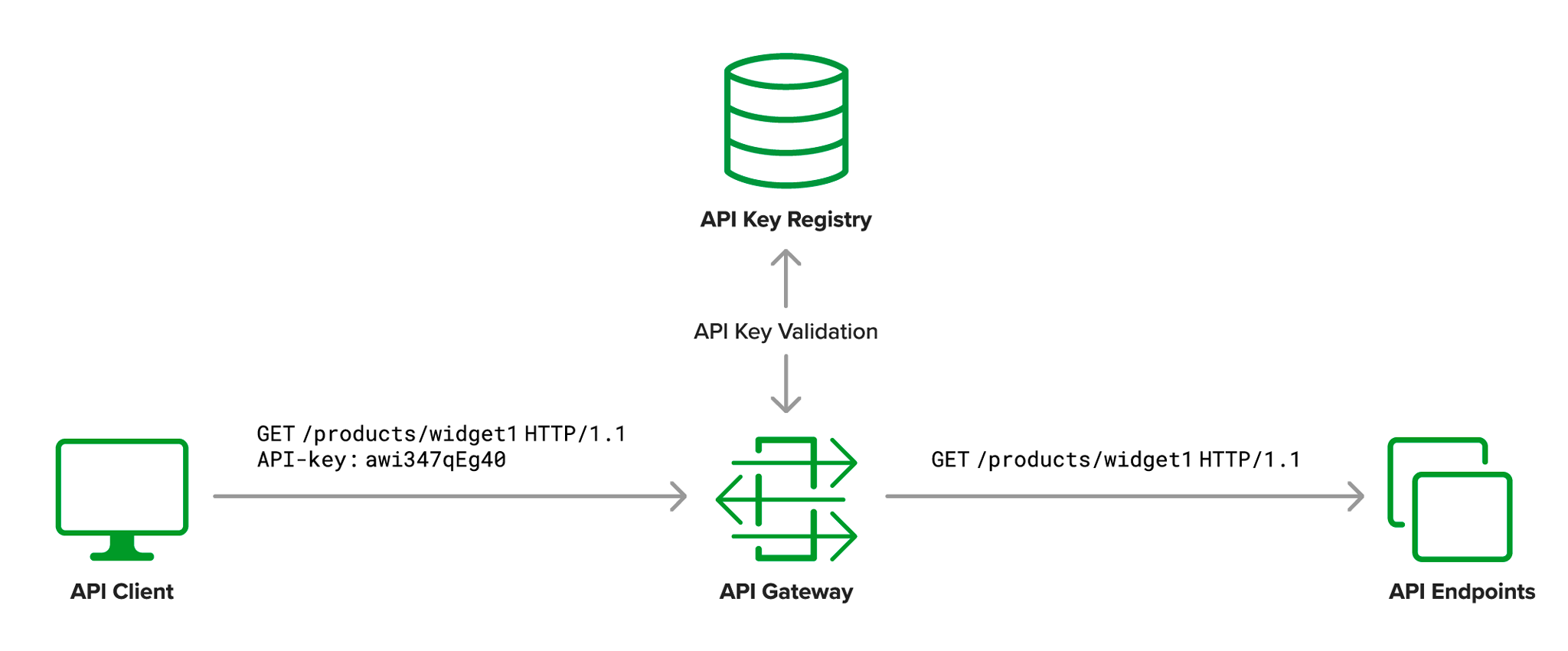
Enable API Keys validation with NGINX
Why:
Public REST services without access control run the risk of being farmed leading to excessive bills for bandwidth or compute cycles. API keys can be used to mitigate this risk. They are also often used by organisation to monetize APIs; instead of blocking high-frequency calls, clients are given access in accordance to a purchased access plan
API keys can reduce the impact of denial-of-service attacks. However, when they are issued to third-party clients, they are relatively easy to compromise
Require API keys for every request to the protected endpoint
Return 429 Too Many Requests HTTP response code if requests are coming in too quickly
Revoke the API key if the client violates the usage agreement
Do not rely exclusively on API keys to protect sensitive, critical or high-value resources
How:
API keys/tokens are a low-level authorization method, however, these keys/tokens are commonly used to track API consumption for monetization.
Note
Most proxy pass solutions require a Host header to be added since NGINX defaults to passing the original Host header.
Example Documentation:
NGINX Documentation: